NEWS
-

N. Katherine Hayles Award for Criticism of Electronic Literature
I am delighted that the Electronic Literature Organization has recognized my essay “On Artificial and Post-Artificial Texts: Machine Learning and the Reading Expectations Towards Literary and Non-Literary Writing” with the N. Katherine Hayles Award for Criticism of Electronic Literature this year.
-
New book: Ad Judith N. Shklar
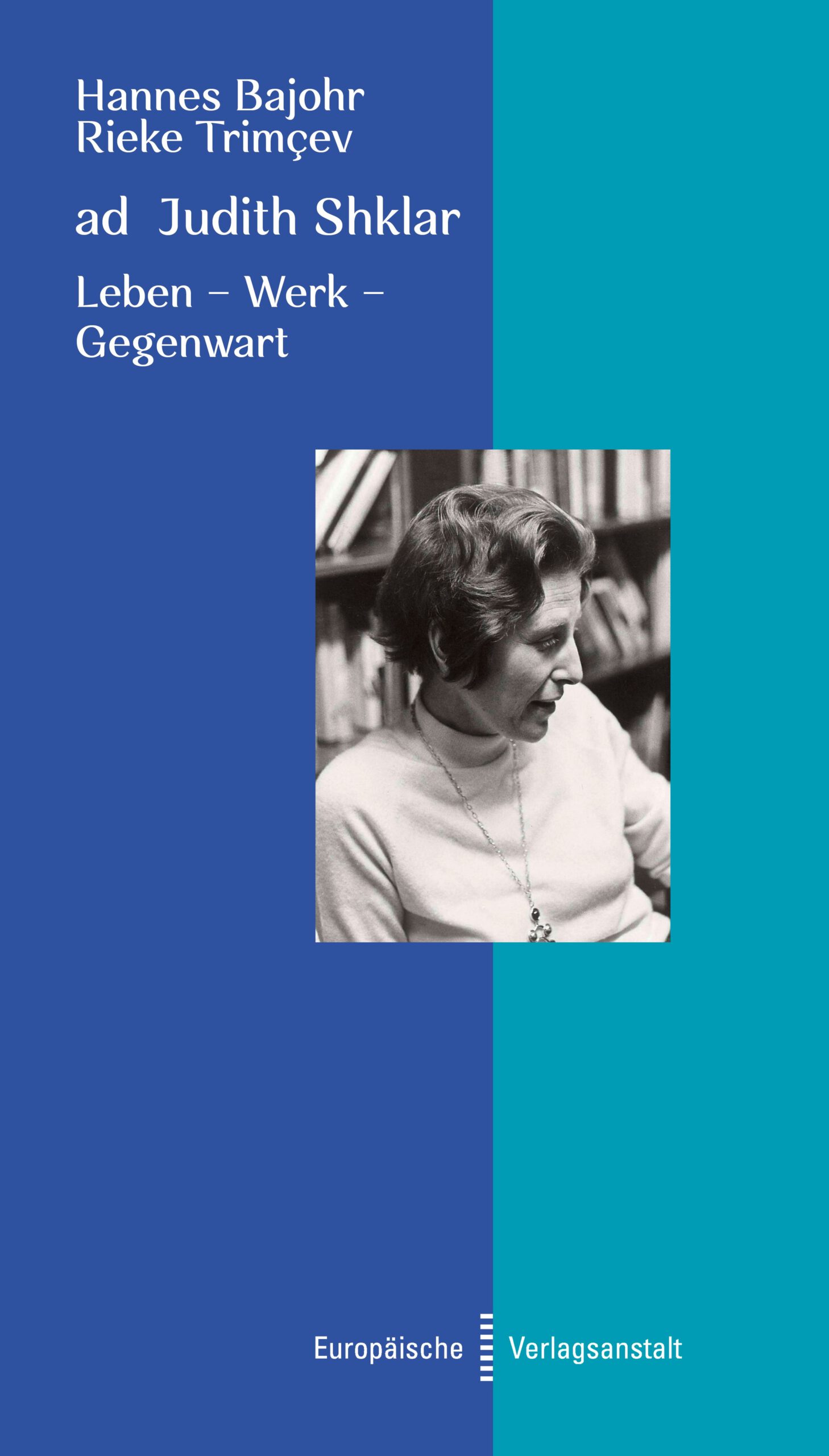
Today is the publication date of “Ad Judith N. Shklar: Werk – Leben – Gegenwart,” co-written by Rieke Trimçev and me, with Europäische Verlagsanstalt.
-
New volume: Quellcodekritik
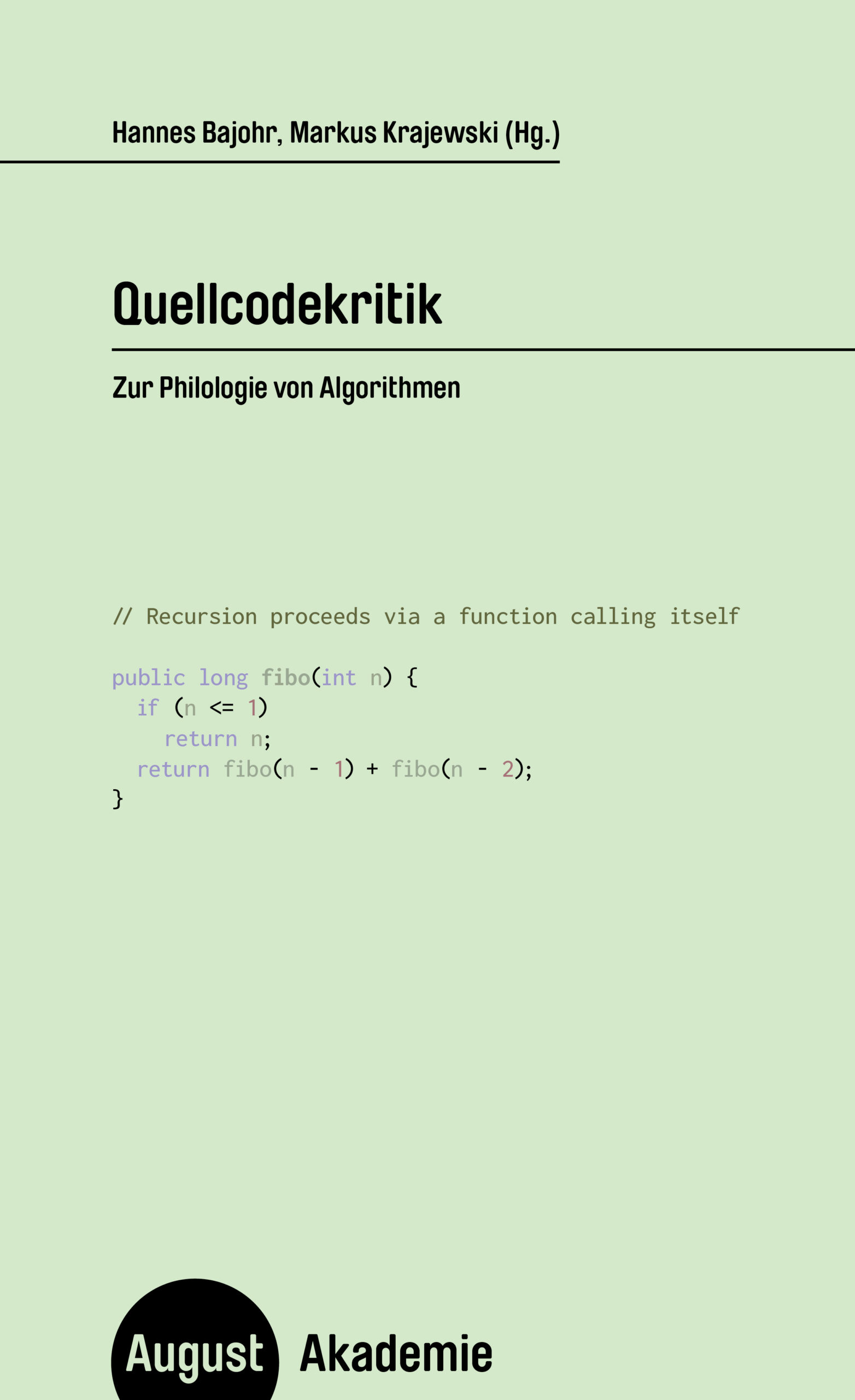
Today, the collected volume Quellcodekritik: Zur Philologie von Algorithmen – edited by Markus Krajewski and myself – is published with August Verlag (German). There is an Open Access PDF free for download here. From the description: Algorithms determine our situation. From Google’s PageRank algorithm to the automatic allocation of loans, their logic intervenes in our…
-

New Novel: (Berlin, Miami)
On November 2, my German language novel (Berlin, Miami) – written in cooperation with a self-trained large language model – was published by Rohstoff Verlag. I reported on the making-of in July in Tagesspiegel (German). From the publisher’s description: “The world in Hannes Bajohr’s (Berlin, Miami) is all that is the case for an AI…
-
New Installation: Prognostications
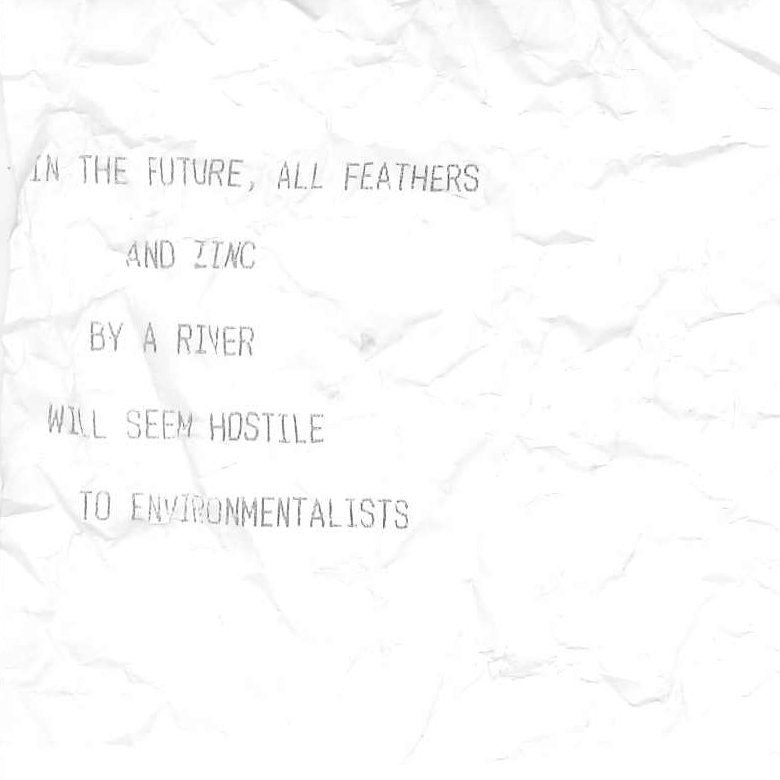
For the exhibition “Data Alchemy – Observing Patterns from Galileo to Artificial Intelligence”, curated by Liat Grayver and Adrian Notz at the Collegium Helveticum, I contributed the installation “Prognostications”.
-
New Text: Dumb Meaning
I published an essay about what I call “dumb meaning” – the kind of limited, not quite human meaning that large language models and multimodal AI processes. While not meaningful in broad sense, I argue, it is not meaningless either.
-

Whoever Controls Language Models Controls Politics
The problem with large language models is not technical, but political: It is that the medium of politics – language – is privatized.
-
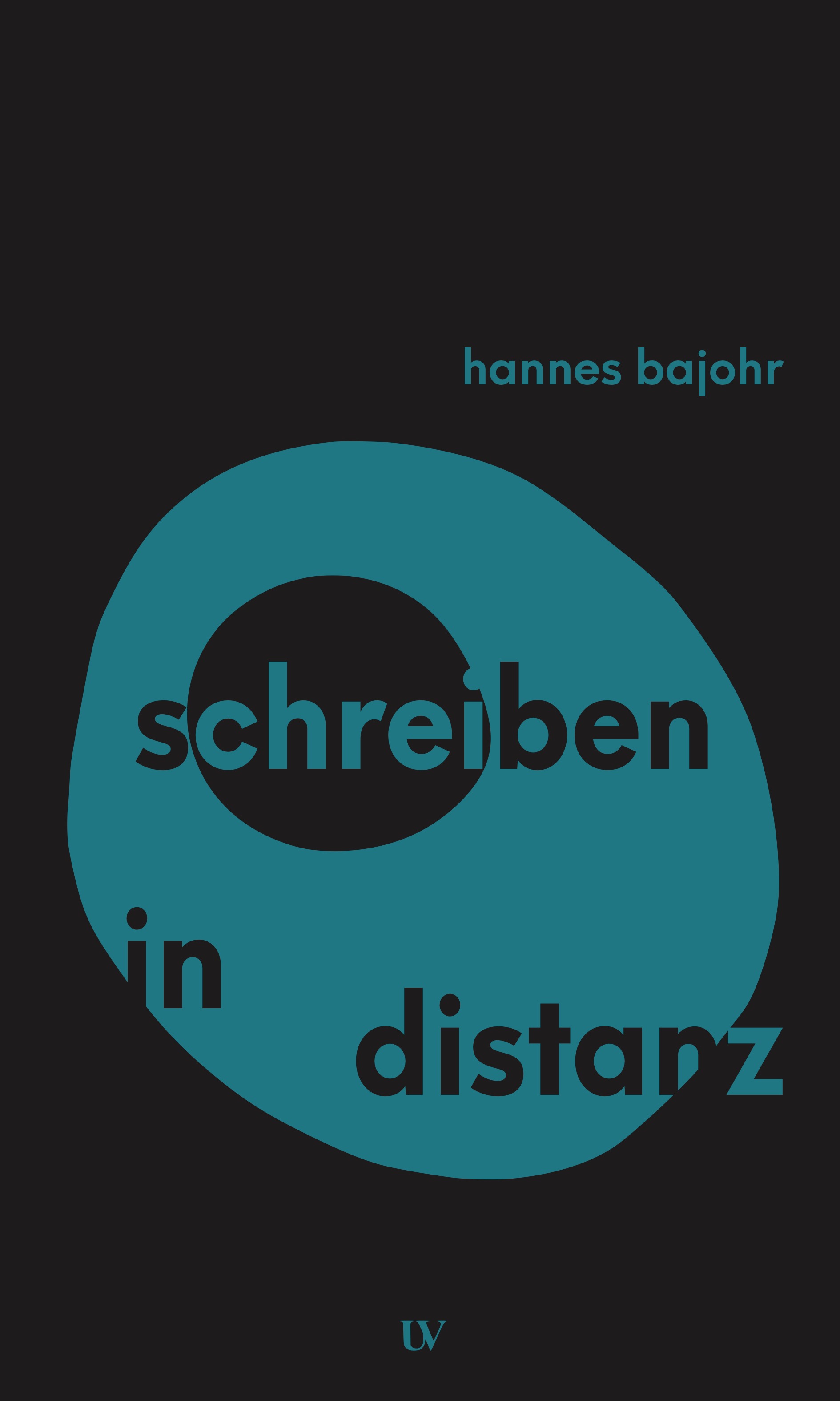
New Book: Schreiben in Distanz
My Hildesheim Poetics Lecture has come out as a book (in German).
-
Max Bense, “On Natural and Artificial Poetry” (1962)
A rough translation of Max Bense’s prescient essay “On Natural and Artificial Poetry” from 1962.
-
On Artificial and Post-Artificial Texts
This is a condensed version of my Walter Höllerer Lecture. It discusses the changed reading expectations after ChatGPT.